

School of Engineering and Technology
B.Tech (Robotics)
A multidisciplinary programme combining mechanical engineering, electronics, computing, and AI – training engineers who design, build, program, and deploy robotic systems for industrial automation, autonomous vehicles, healthcare, and space applications.
About the Programme
Robotics Engineering is Metro University’s most multidisciplinary programme – bringing together mechanical design, electronics, embedded programming, computer vision, AI, and control theory into one coherent curriculum. Students work with physical robots from Semester II. The full-scale Robotics Lab houses industrial robot arms (KUKA, UR10), autonomous ground vehicles, drone platforms, and ROS-enabled workstations. Graduates work in manufacturing automation, aerospace, defence, healthcare robotics, autonomous vehicles, and research institutions.
Programme Details
Course at a Glance
180
8 Semesters
RE
60
Engineering and Technology
Programme Structure
YEAR I - ENGINEERING FOUNDATIONS
Math, mechanics, and electronics
Engineering Mathematics · Physics · Fundamentals of Electronics · Programming in Python and C · Engineering Drawing and CAD · Mechanics of Machines · AI Literacy · Human Values
YEAR II - ROBOTICS CORE
Building and programming robots
Robot Kinematics and Dynamics · Embedded Systems and Microcontrollers · Sensors and Actuators · Control Systems · Computer Vision Basics · ROS (Robot Operating System) · Machine Learning Fundamentals
YEAR III - ADVANCED ROBOTICS
Autonomous and intelligent systems
Autonomous Navigation and Planning · Advanced Computer Vision · Deep Reinforcement Learning for Robotics · Human-Robot Interaction · Industrial Robotics · 2 Electives · Internship
YEAR IV - BUILD A REAL ROBOTIC SYSTEM
Capstone and professional launch
Robotics Capstone – complete autonomous system (two semesters) · Advanced Electives · Manufacturing and Quality Automation · Drone Technology
Themes
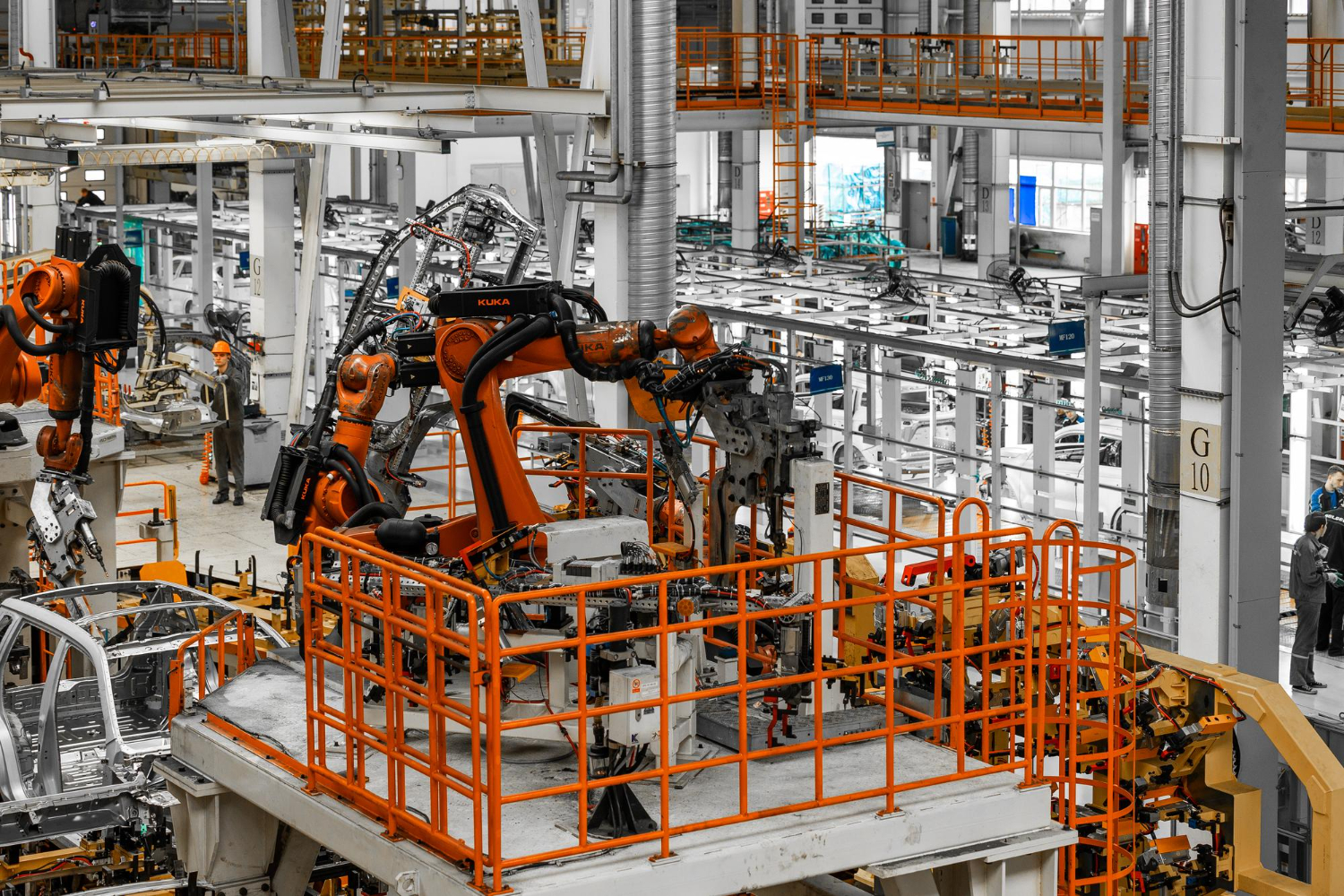
Industrial robotics
Robot Programming · KUKA KRL · PLC Integration · Quality Inspection Automation
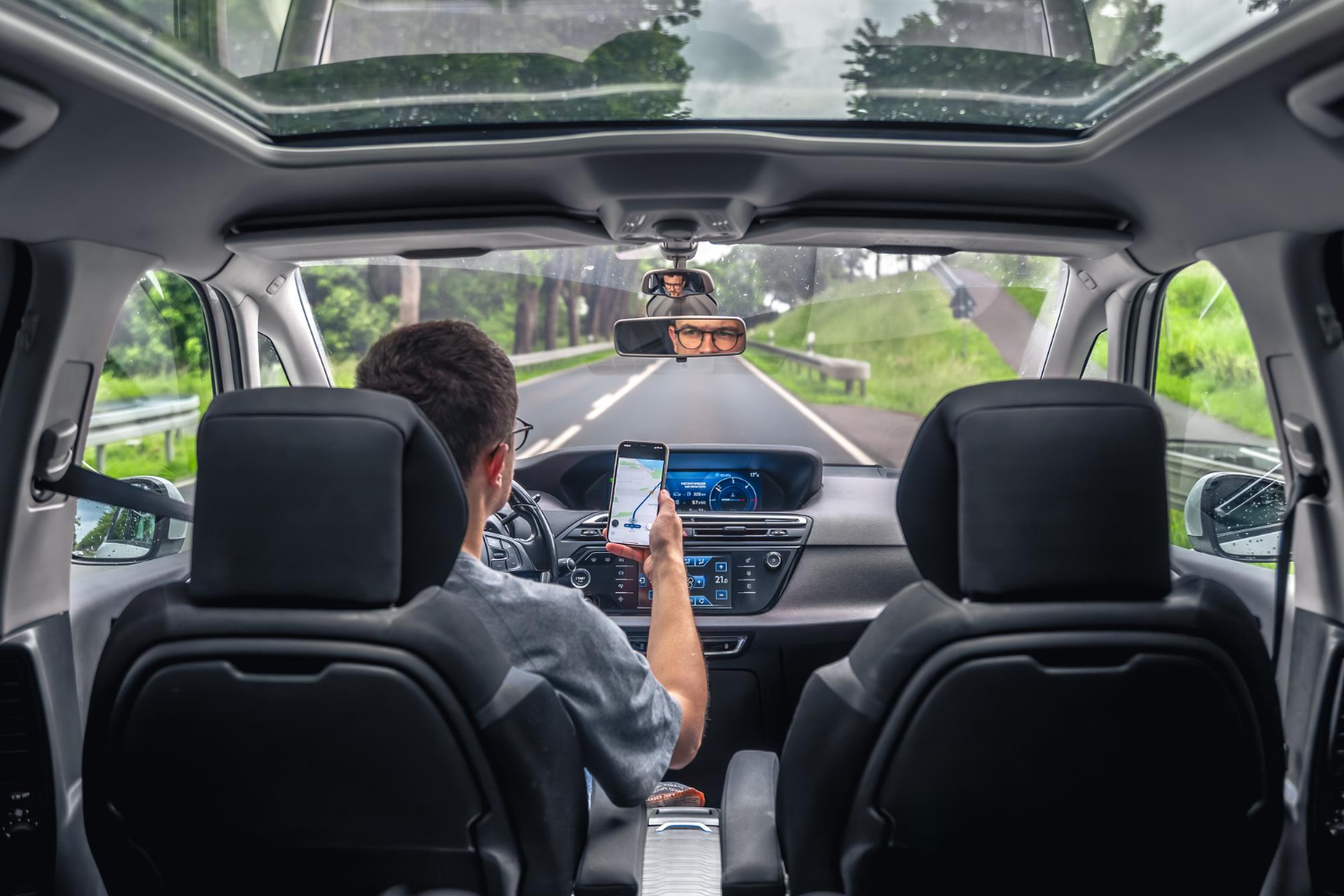
Autonomous vehicles
SLAM · Path Planning · LiDAR · Camera Fusion · Self-Driving Stack
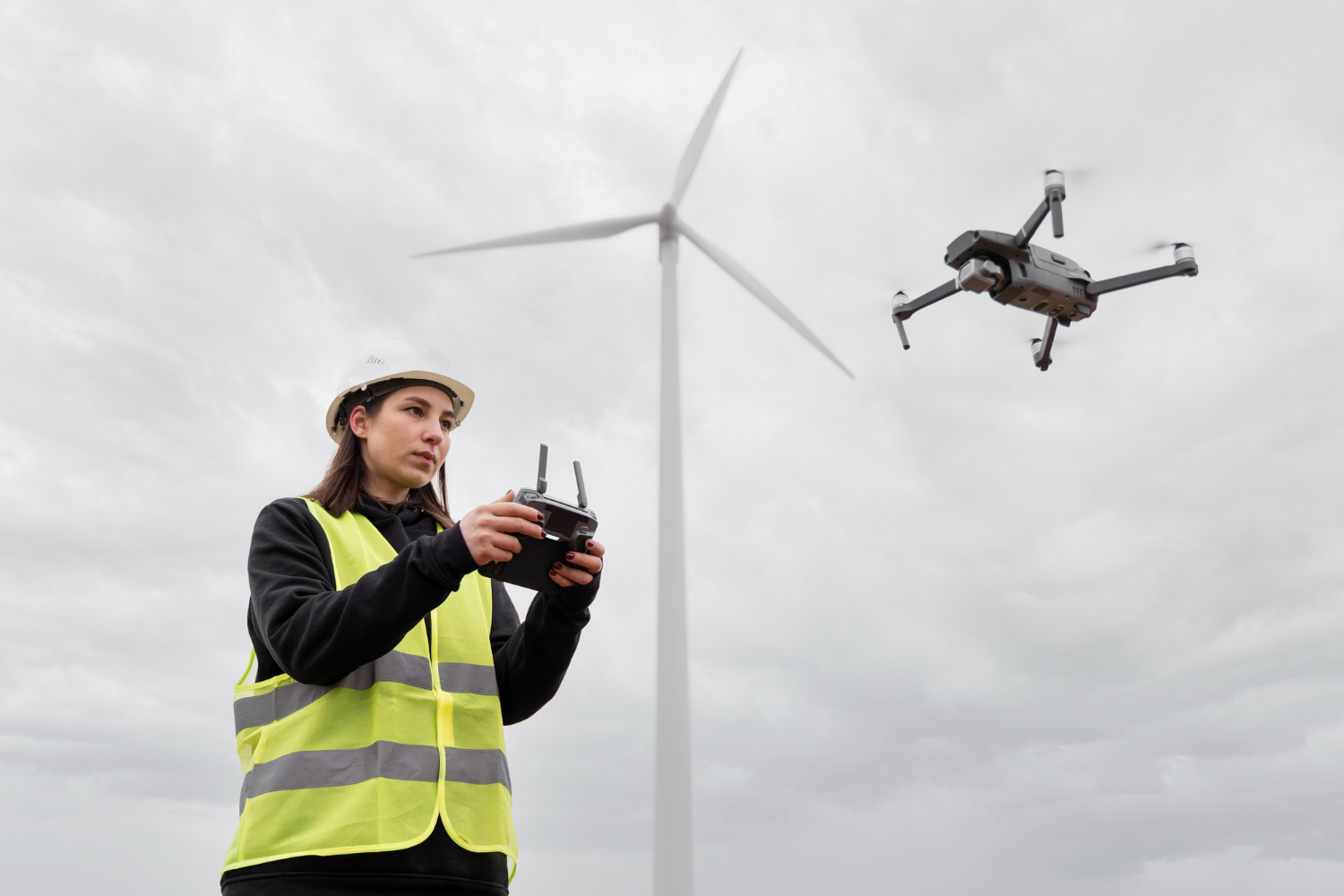
Drone technology
Flight Control Systems · Photogrammetry · Precision Agriculture · Search and Rescue
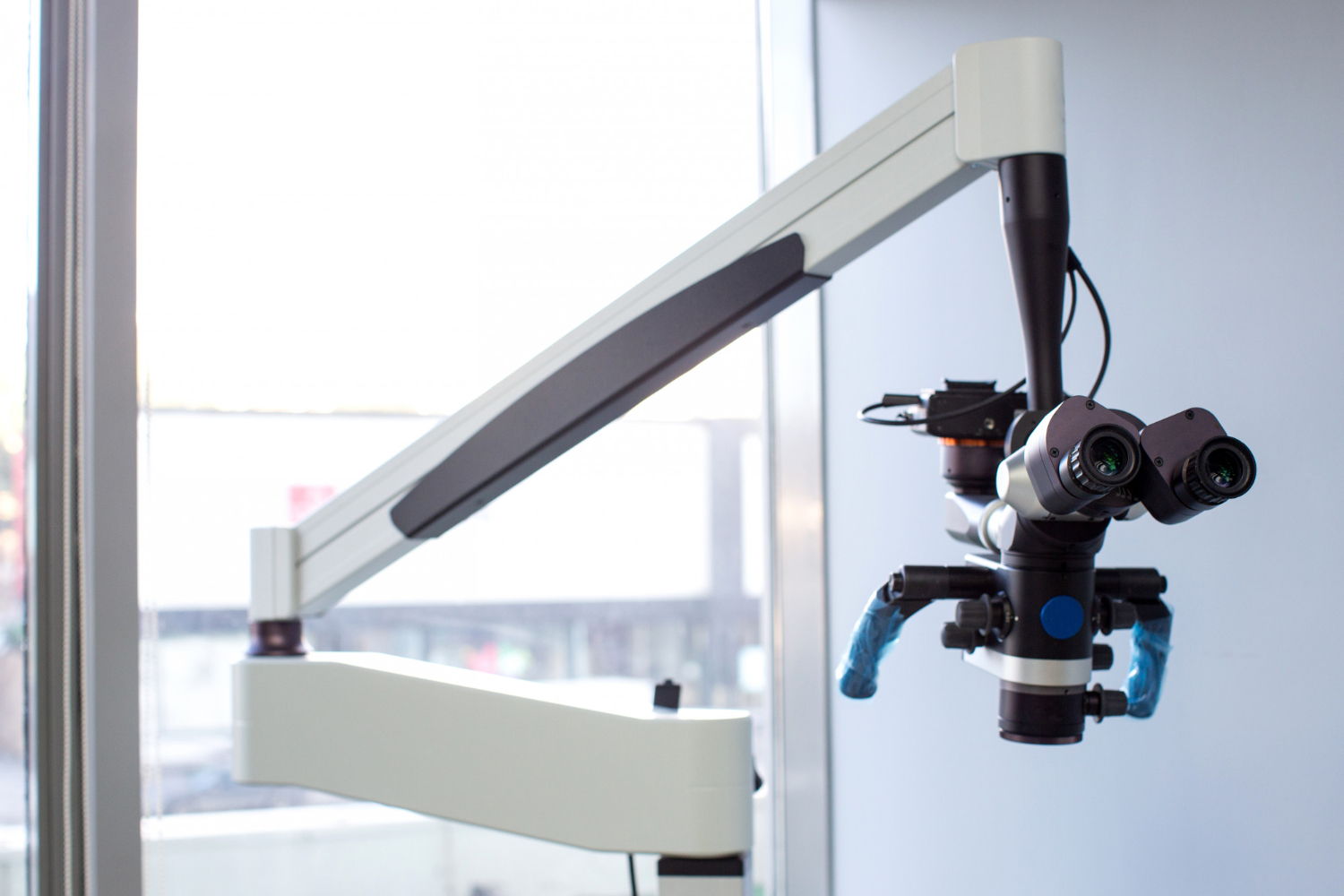
Medical robotics
Surgical Assistance · Rehabilitation Robots · Prosthetics · Remote Surgery

AI and robot learning
Deep RL · Imitation Learning · Sim-to-Real Transfer · Manipulation Planning
Curriculum Overview
Hands-on from Semester II
Students build and program physical robots from Semester II. The lab is a workshop, not a showroom – every student leaves every lab session having made or programmed something.
ROS as the professional standard
ROS 2 (Robot Operating System) is the industry standard for robotics software. Students learn and use it from Year II through graduation – just as professionals do.
Multidisciplinary design projects
Each year’s project requires integrating mechanical design (CAD), electronics (PCB, actuators), programming (Python, C++), and AI
– reflecting how real robotics teams work.
Industry and research connections
Industry and research connections
Eligibility Criteria
| Criterion | 10+2 (Class XII) from any recognised board |
|---|---|
Mandatory subjects | Physics, Chemistry, Mathematics (PCM) - all three compulsory |
Minimum marks | 10+2 with a minimum 55%, including Physics, Chemistry and Mathematics |
Entrance exam | Valid JEE Main score OR Metro University MET |
Preferred | Students with interest in electronics, mechanics, or competitive robotics (WRO, First Lego League) |
Selection | JEE Main / MET → Counselling → Seat allotment |
Frequently Asked Questions
Do I need to know programming before joining?
No prior robotics or programming experience is not needed. Python and C programming begin in Semester I.
Is this more mechanical or computer-oriented?
Both equally. You will learn mechanical design (25%), electronics and embedded systems (25%), and software and AI (50%). Students who enjoy working across all three domains thrive here.
What industries hire robotics engineers?
Automotive (Tata Motors, Mahindra), manufacturing automation (Bosch, ABB, FANUC), defence (DRDO), space (ISRO), healthcare, and the growing robotics startup ecosystem.
What is the capstone like?
The capstone is a complete autonomous robotic system – it must sense, plan, and act autonomously. Students defend it before an external industry jury with a live demonstration.